
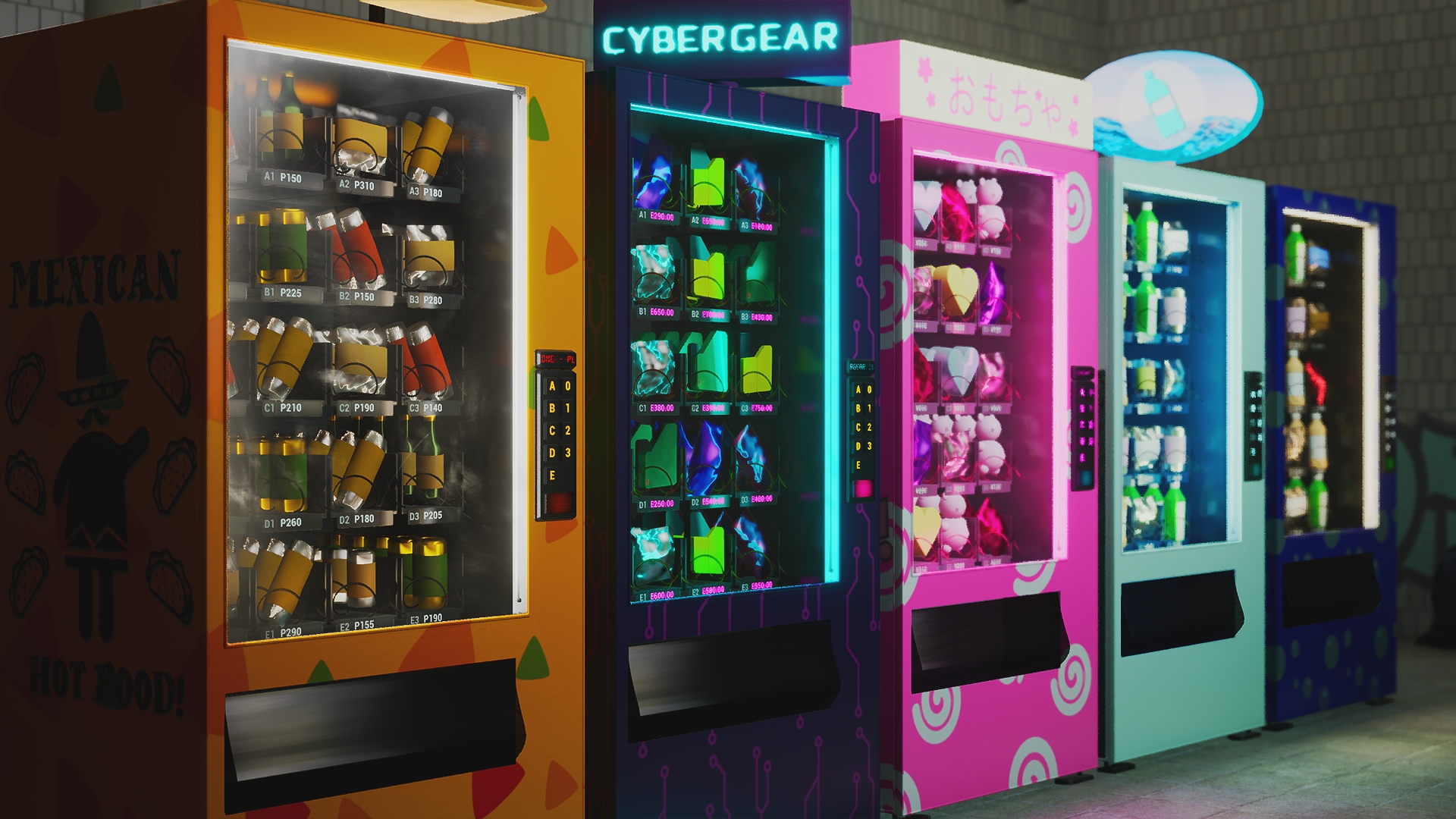
The Vending Dilemma
Being in a vending-adjacent business, I often get asked about vending machines and where the industry is headed. Vending machines sound great on paper: you find a location (or outsource that to a locator), then sit back and earn passive income, doing nothing but restocking now and then.
A quick Google search suggests the vending market is doing great. However, most of the sources on the matter are blog posts from vending companies.
What the Actual Numbers Say
According to IBISWorld, the US vending machine industry declined 1.3% a year on average between 2018 and 2023.
The picture gets worse for the average small vending business. The total number of vending operators shrank by about 2.5% a year over the same period. That suggests the market is consolidating and smaller operators are being pushed out.
Changing laws are another threat. The USDA's Smart Snacks in School rules restrict what operators can sell in primary and secondary schools, and the approved items tend to be unpopular with students. Many operators with school locations have seen a 30-40% drop in revenue as a result. If similar laws keep passing, operators will have to find healthy products that still sell, or exit that segment.
This contrasts with articles like this one claiming the vending market is growing fast. A closer look shows those numbers refer to the global vending industry, not the US.
The Global Vending Industry
The global vending industry is growing, but that growth is driven mainly by Asia-Pacific markets, especially China.
Not All Vending Machines Are the Same
The US vending industry is oversaturated and consolidating. Even so, some pockets are doing well. Micro markets, for example, have posted consistent double-digit growth.
New, niche machines are also worth a look. A balloon vending machine I saw at a trade show, for instance, could do very well in malls.
Powerbank Rental Stations
Powerbank rental stations have several advantages over vending machines:
- Lower cost: they cost about one-third as much as a typical vending machine, yet can earn as much or more. An Ion kiosk retails for $850.
- Strong earners: in one recent month, the average Ion kiosk earned over $100, and the top 10% earned over $700.
- Easier placement: powerbank rental is still new in North America, so locations are easier to secure. Often a venue has never heard of the concept before I explain it.
- No restocking: there is no inventory to buy, expire or refill.
Like anything else, there are drawbacks. Not every location performs: in that same month, the bottom 10% of kiosks earned close to nothing. It is also harder to predict which venues will do well. Vending machines and ATMs have decades of return data; powerbank kiosks do not yet.
That said, Ion kiosks are much smaller than a vending machine and easy to transport. If a location underperforms, you can move the kiosk somewhere better. This is harder if you rely entirely on paid locators to find venues, since that can get expensive.
Ion Powerbank Rental Stations
If you are considering a vending machine, check out our distributors page to see whether an Ion kiosk is a better fit. Unlike most kiosks on the market, ours have built-in credit card readers, so customers never have to scan a QR code or download an app to rent a powerbank. That alone removes the biggest point of friction for renters.